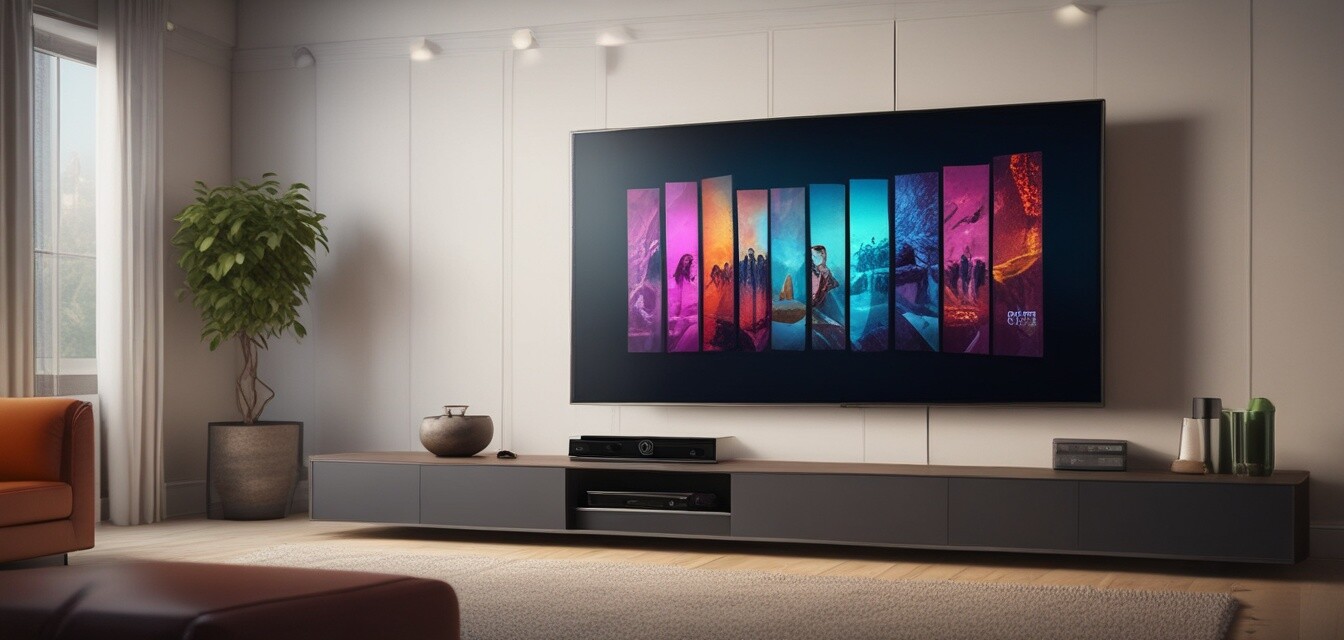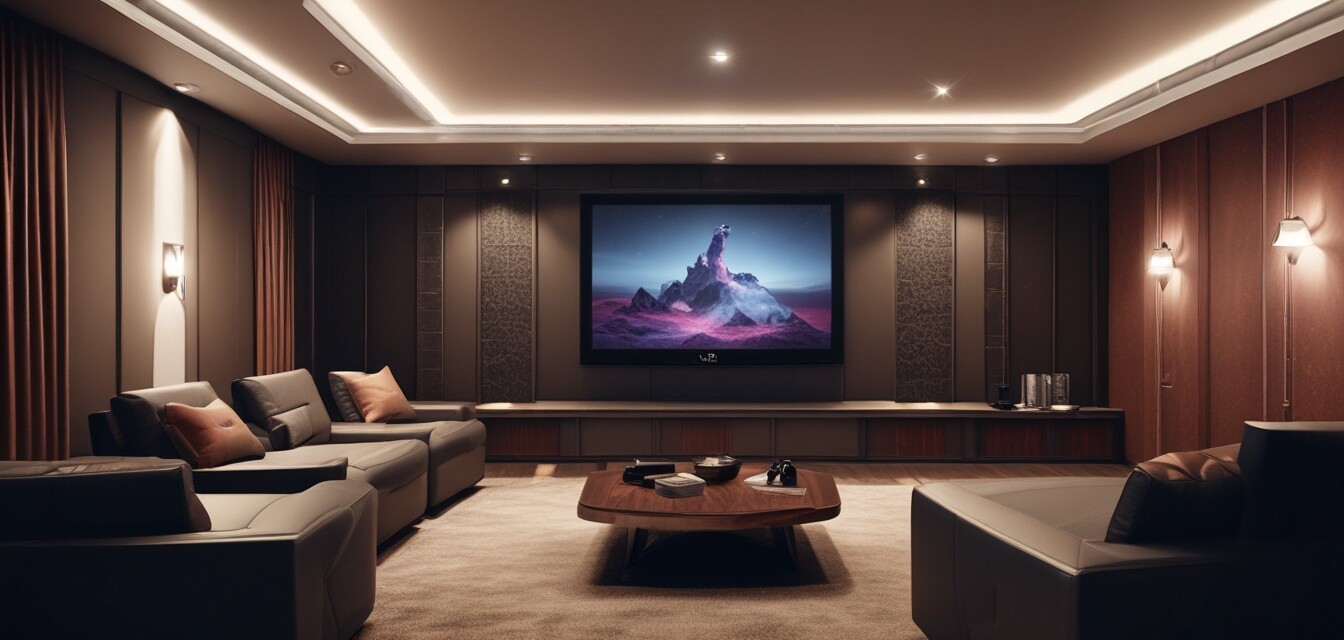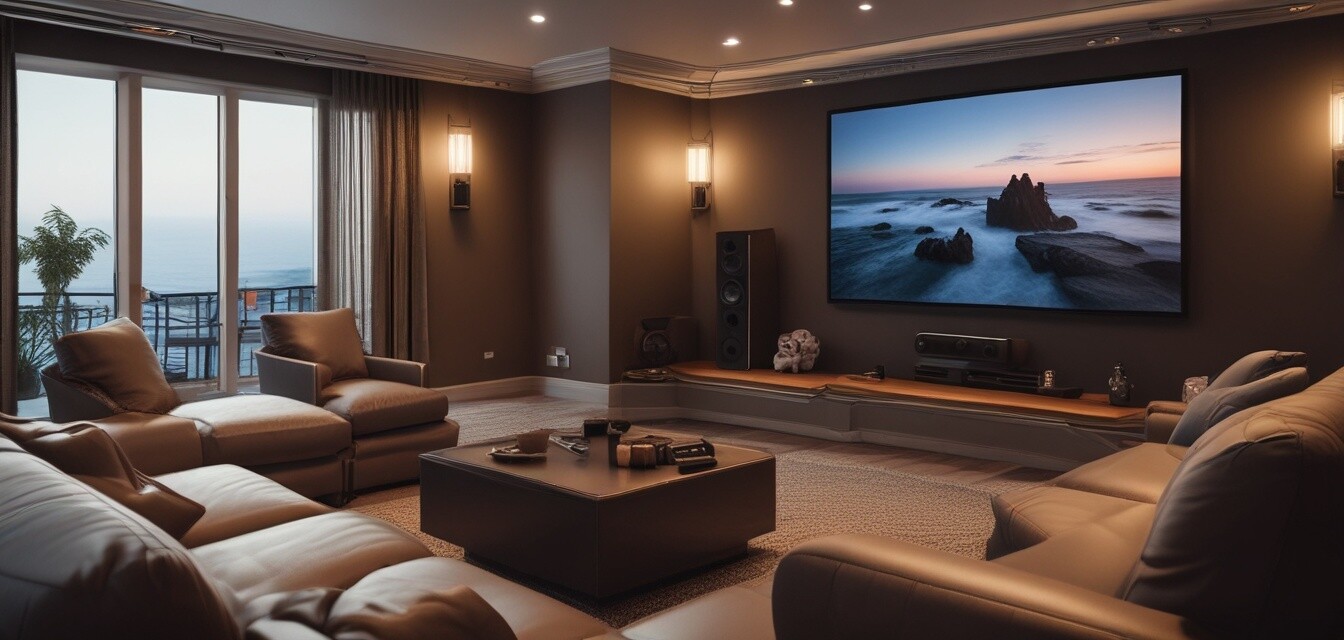
Televisions
Key Takeaways
- Choosing the right television involves considering size, resolution, and display technology.
- Different display technologies like OLED, LED, and QLED offer unique benefits and drawbacks.
- Viewing distance is crucial for the best viewing experience in a home theater setup.
- Smart TVs provide additional functionality like streaming services and apps.
In today's digital age, selecting the right television for your home theater can be a daunting task. With numerous options available, understanding the fundamentals of television technology can significantly enhance your viewing experience. This guide will walk you through essential factors to consider, including size, resolution, and display technologies.
Understanding television sizes
The size of your television is one of the most critical aspects to consider for your home theater. A larger screen can provide a more immersive experience, but it’s essential to choose the right size based on your room's dimensions. Below is a table to help you determine the ideal screen size according to your viewing distance:
| Viewing Distance (feet) | Recommended TV Size (inches) |
|---|---|
| 4 - 6 | 40 - 50 |
| 6 - 8 | 50 - 65 |
| 8 - 10 | 65 - 75 |
| 10 - 12 | 75+ |
Resolution matters
Resolution refers to the number of pixels in each dimension that the television can display. The higher the resolution, the clearer and more detailed the picture. Let’s explore the most common resolutions:
- HD (720p): Good for smaller TVs, but not ideal for larger screens.
- Full HD (1080p): Provides a clear image and is suitable for most viewing distances.
- 4K Ultra HD: Offers four times the resolution of 1080p, perfect for large screens and detailed content.
- 8K Ultra HD: The latest technology, providing an extremely high resolution, but content availability is limited.
Display technologies explained
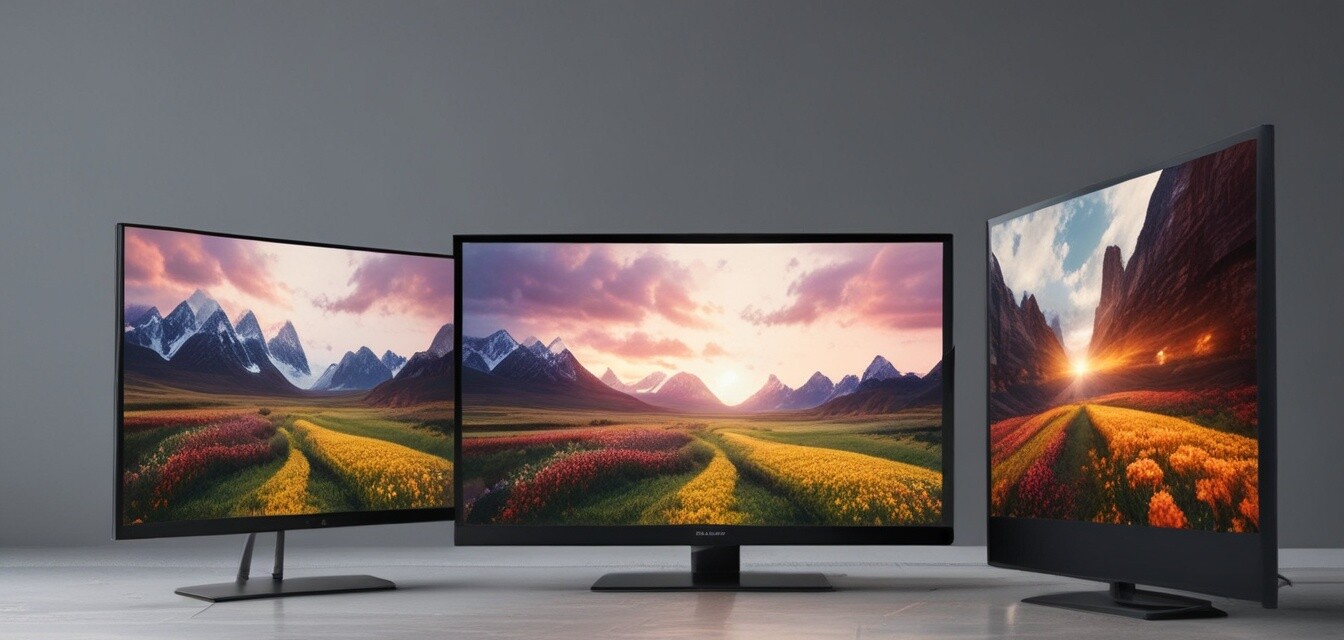
Televisions come equipped with various display technologies, each with its advantages and disadvantages. Here’s a comparison of the most popular types:
| Display Technology | Pros | Cons |
|---|---|---|
| LED | Bright colors, energy efficient | Lower contrast ratios |
| OLED | Superior contrast and color accuracy | Higher price point |
| QLED | Excellent brightness and color volume | Still suffers from some burn-in issues |
Smart TV features
Smart TVs have revolutionized how we watch television by integrating internet capabilities. They allow users to access streaming services like Netflix and Hulu directly from their TV. Here are some popular features:
- Built-in apps for streaming and gaming.
- Voice control options through virtual assistants like Alexa or Google Assistant.
- Screen mirroring capabilities from mobile devices.
Choosing the right home theater setup
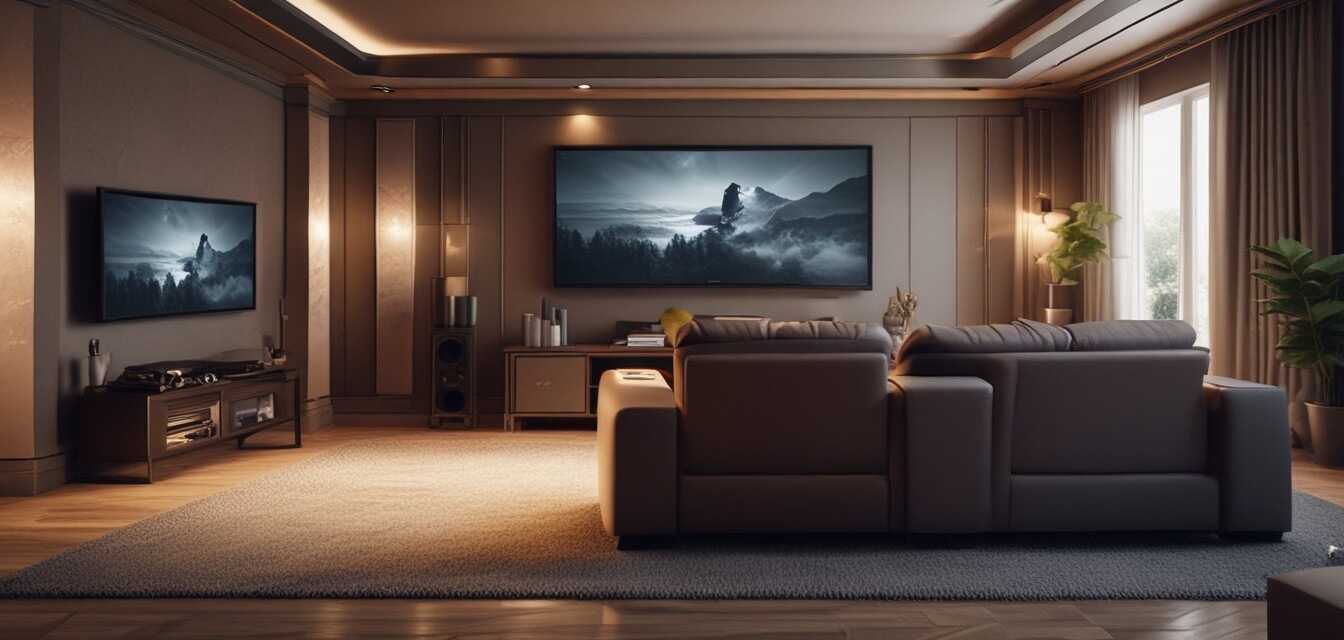
When setting up a home theater, the television is just one piece of the puzzle. Consider additional components that will enhance your viewing experience:
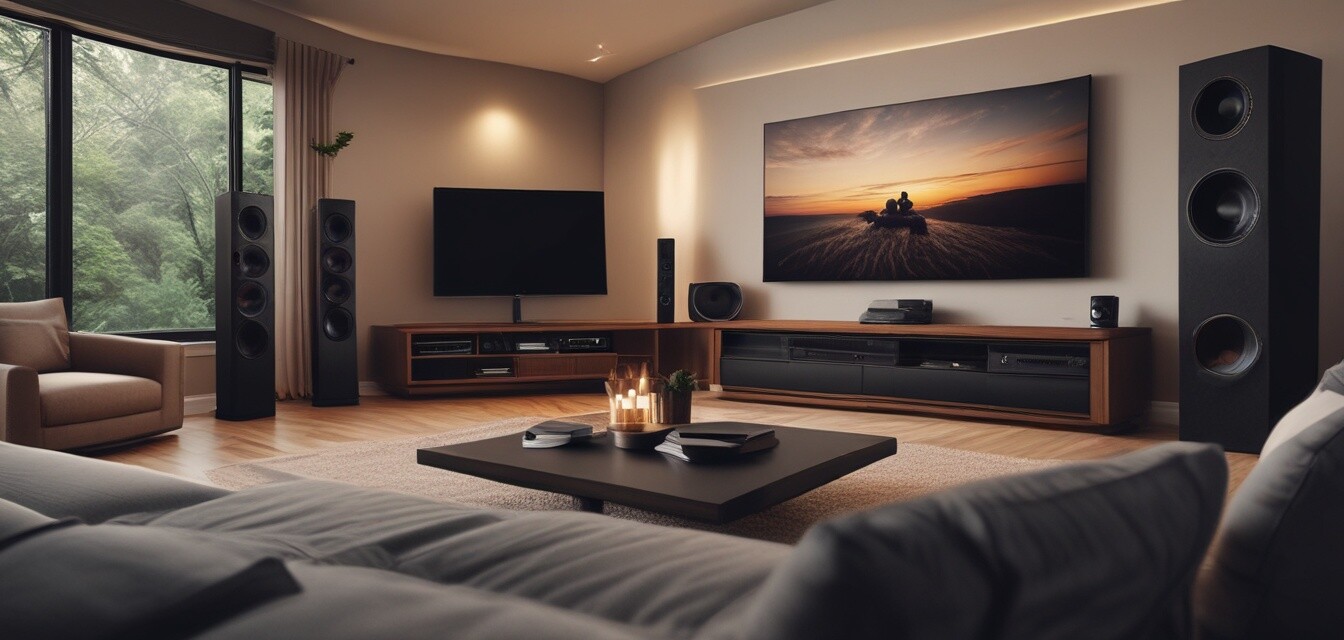
- Sound systems for immersive audio.
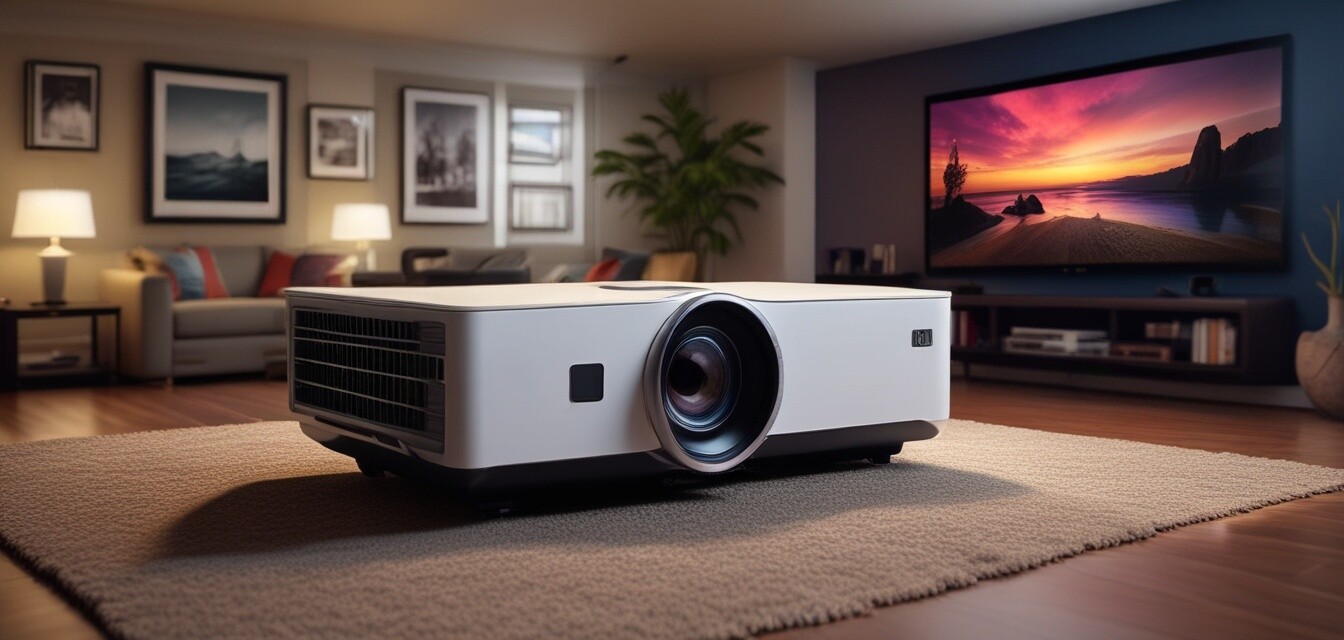
- Projectors for a cinema-like experience.
- Mounts and stands for optimal placement.
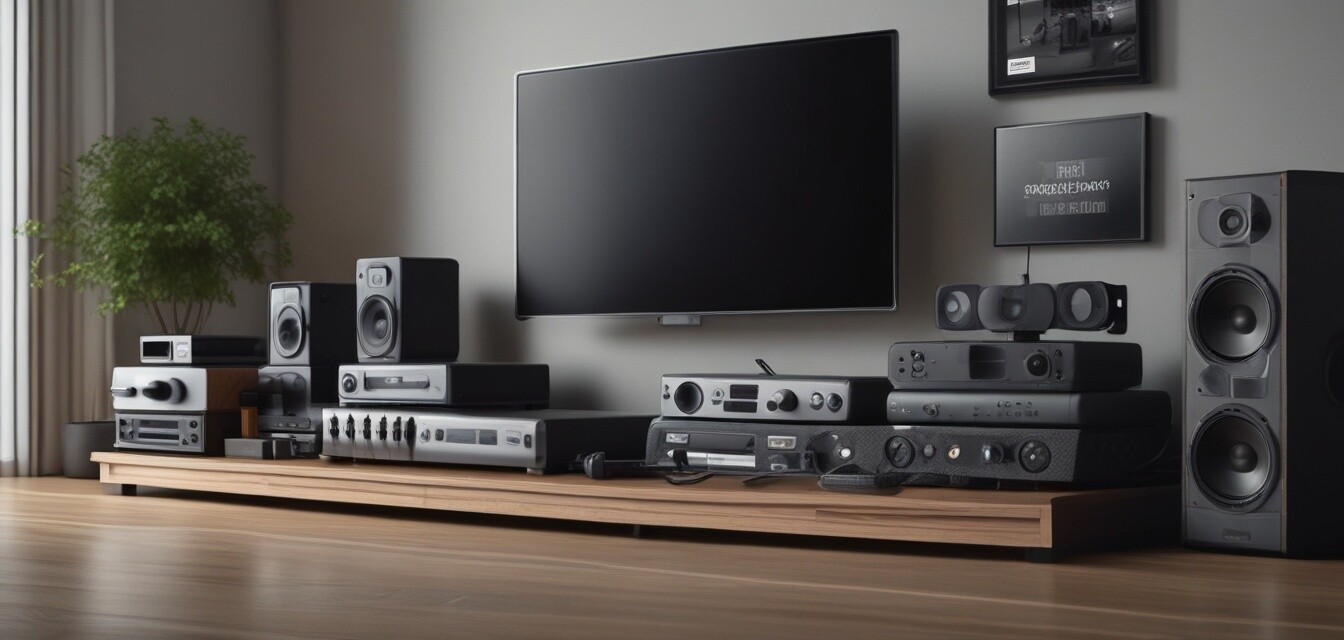
- Streaming devices for added content options.
- Blu-ray and DVD players for physical media.
Tips for beginners
Beginner tips
- Measure your room before buying a TV to ensure it fits.
- Consider the layout of your seating to optimize viewing angles.
- Look for models with good reviews on picture quality and reliability.
- Don't forget about cables and connectivity options.
Pros
- Wide variety of options available.
- Improved technology enhances viewing experience.
- Access to online content with smart TVs.
Cons
- Can be overwhelming due to numerous choices.
- Price points vary widely based on features.
- Potential for obsolete technology in a short time frame.
Conclusion
Choosing the right television for your home theater is crucial for an enjoyable viewing experience. By considering size, resolution, display technology, and additional components, you can create a setup that meets your entertainment needs. Stay informed about the latest technologies and trends to make the best decision for your home.