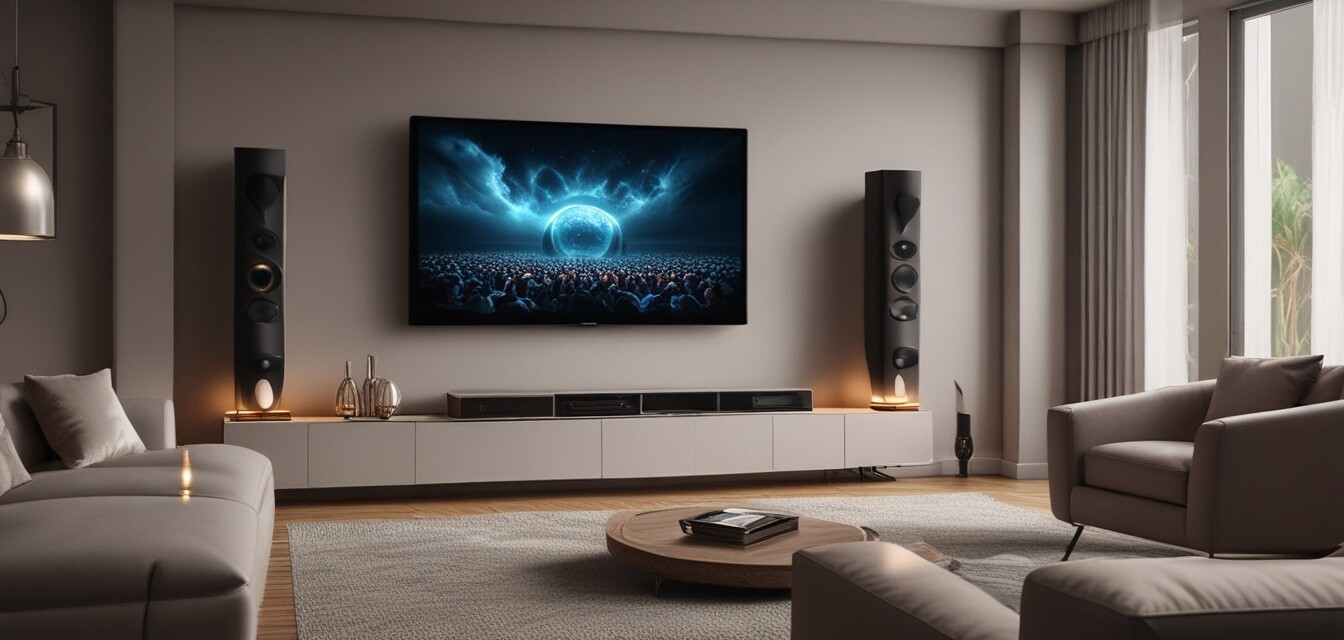
The Ultimate Guide to Choosing the Right TV for Your Home Theater
Key Takeaways
- Understand different TV types: OLED, QLED, LED, and LCD.
- Consider screen size based on viewing distance.
- Look for important features such as smart TV capabilities and HDR support.
- Evaluate the importance of sound systems and compatibility with other devices.
- Know your budget and explore options in various price ranges.
Choosing the right television for your home theater can feel overwhelming, especially with an abundance of options available on the market today. This guide will help you navigate through these options, focusing on essential factors such as technology types, screen sizes, features, and your budget. Whether you're upgrading your current setup or starting from scratch, our insights will equip you with the knowledge needed to make an informed decision.
Types of Televisions
When selecting a TV, it's crucial to understand the different types available. Here’s a comparison of the main types:
| TV Type | Advantages | Disadvantages |
|---|---|---|
| OLED | Excellent picture quality, deep blacks, and wide viewing angles. | More expensive and can be affected by burn-in. |
| QLED | Bright colors, lower risk of burn-in, and good performance in bright rooms. | May not achieve the same deep blacks as OLED. |
| LED | Wide variety of options and generally more affordable. | Less vibrant colors and lower contrast compared to OLED and QLED. |
| LCD | Budget-friendly and good for bright rooms. | Limited viewing angles and color accuracy. |
Choosing the Right Screen Size
Screen size is a critical aspect when creating your home theater. The size of the TV should be determined by the size of the room and the viewing distance. Here are some guidelines:
- For TV sizes between 32-55 inches, the recommended viewing distance is 4-8 feet.
- For 55-70 inches, aim for a distance of 6-10 feet.
- TVs larger than 70 inches should be viewed from at least 8-12 feet away.
Essential Features to Consider
Besides the physical aspects of the TVs, various features enhance the viewing experience:
- Smart TV Capabilities: Look for integrated apps, streaming services, and Wi-Fi connectivity.
- 4K Resolution: With 4K TVs, enjoy sharper images and better detail—especially important for larger screens.
- HDR (High Dynamic Range): Results in better contrast and a wider color range.
- Refresh Rate: Higher refresh rates (60Hz or above) provide smoother motion for action scenes.
Sound Systems and Compatibility
The audio experience is just as crucial as the visual one. Consider how your TV integrates with sound systems. Explore the following:
- Built-in speakers vs. external sound systems.
- Compatibility with soundbars, home theater systems, or smart speakers.
- Audio return channel (ARC) for easy connectivity.
Setting Your Budget
Establishing a budget early on can help narrow down your choices:
- Determine how much you're willing to spend.
- Factor in additional expenses like mounting brackets, sound systems, and streaming services.
- Keep in mind that sometimes a slightly more expensive model may provide better long-term value.
Tips for Home Theater Setup
Beginner's Section: Setting Up Your TV
- Position your TV at eye level for the best viewing experience.
- Reduce glare by selecting an appropriate location away from windows.
- Consider wall mounts for a more streamlined look.
- Calibrate your TV settings for optimal picture quality.
Conclusion
In conclusion, selecting the right television involves understanding various types, deciding on an appropriate screen size, considering essential features, and setting a realistic budget. By taking the time to research and understand your options, you'll be well on your way to creating the perfect home theater experience tailored to your needs. For more helpful tips and related guides, check out our buying guides that cover topics such as accessories, sound systems, and projectors.
Pros
- Enhances your home entertainment experience.
- Wide range of options available for every budget.
- Can be combined with various home theater systems for a better audio-visual experience.
Cons
- The selection process can be overwhelming.
- Cost can add up with necessary accessories.
- Technology can become outdated quickly.