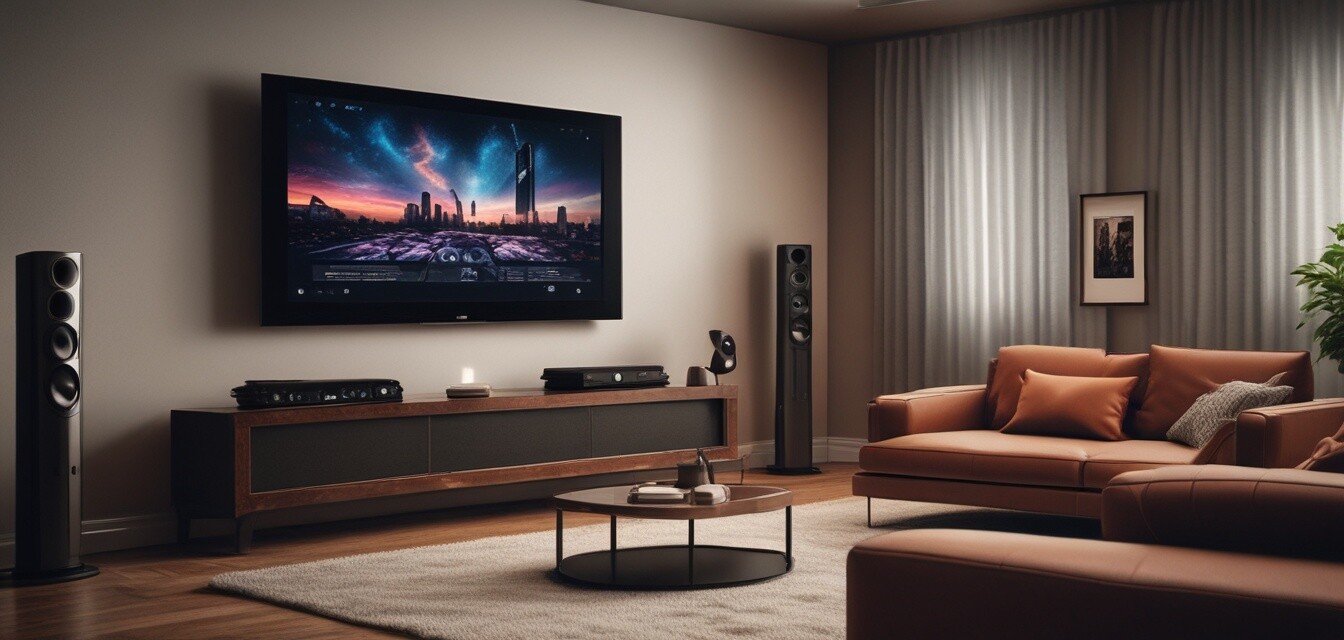
Streaming wars: How new services impact your home theater setup
Key Takeaways
- New streaming services are changing how we watch content.
- Adapt your home theater with the right gear for an optimal experience.
- Different services may require various hardware and software solutions.
- Staying informed on trends ensures you maximize your entertainment setup.
The rise of streaming services has transformed the way we consume media. With new players entering the market constantly, understanding how these services impact your home theater setup is crucial for maximizing your viewing experience. In this article, we will explore how to adapt your home theater for the newest technologies and services available, ensuring that you stay ahead in the ever-evolving world of home entertainment.
The evolution of streaming services
Since the inception of video-on-demand, streaming has evolved significantly. Originally, streaming was limited to basic offerings, but now it encompasses a broad spectrum of genres and formats. Let’s take a closer look at how these changes have unfolded over the years:
| Year | Milestone | Impact on Home Theaters |
|---|---|---|
| 2000 | First streaming video services emerge | Limited content, basic setups |
| 2010 | Rise of subscription-based services | Improved content variety, need for better audio/video systems |
| 2020 | Launch of multiple new competitors | Heightened requirements for broadband and device compatibility |
| 2023 | Integration with smart home devices | Need for advanced home theater setups |
Adapting your home theater setup
To fully enjoy the abundance of choices available in the streaming landscape, it’s essential to upgrade certain aspects of your home theater. Here are some recommendations to consider:
Beginners' section: Essential upgrades for your home theater
- High-quality sound system: Ensure clear audio by investing in a sound system that complements your picture quality.
- 4K Ultra HD TV: Upgrade to a 4K television to enjoy the best visual resolution available on many platforms.
- Streaming device compatibility: Make sure your streaming devices support all the new services you plan to use.
- Smart home integration: Consider products that work seamlessly with your existing smart home setup for enhanced functionality.
The role of internet speed and connectivity
As streaming services continue to expand their offerings, the demand for superior internet connectivity rises. Here’s how connectivity can make or break your streaming experience:
| Internet Speed | Recommended Use |
|---|---|
| 5 Mbps | Basic streaming quality (SD) |
| 25 Mbps | HD streaming |
| 50 Mbps | 4K streaming |
Content availability and subscription models
Each streaming service offers unique content and subscription models. Understanding these can provide insights into how you need to prepare your home theater:
- Exclusive shows and movies: Some platforms produce original content only available through their service.
- Ad-supported free tiers: Platforms may offer free subscription models with advertisements, enabling access to various content without a monthly fee.
- Bundled subscriptions: Many services offer bundled packages which could save costs while providing access to multiple platforms.
Looking ahead: Future trends in home theater and streaming
As technology evolves, so will the home theater experience. Here are some emerging trends you should keep on your radar:
Future Trends
- Increased integration of AI and machine learning for personalized recommendations.
- Expansion of AR and VR capabilities in gaming and viewing experiences.
- More focus on sustainable technology, such as energy-efficient devices and platforms.
Conclusion
Understanding the impact of new streaming services on your home theater setup is essential in today’s media landscape. By staying informed about the evolution of technology and adapting your equipment accordingly, you can enhance your viewing experience and embrace the latest trends. For more tips and insights about home theater systems, visit our News and Trends category.
Pros
- Wide variety of content from multiple sources
- Flexibility to customize your viewing experience
- Potential cost savings with bundled subscriptions
Cons
- Possible compatibility issues between devices
- Increased internet requirements for optimal streaming
- Subscription costs can add up with multiple services